

Director reveals secrets about filming in the Valley of the Kings
Prior to the broadcast of Museum Secrets: Inside the Egyptian Museum in Cairo tomorrow, Thursday January 27, at 10 PM ET/PT on History Television Canada, we reveal what it was like to create the episode in one of the most exotic and ancient places on earth.
Director Q&A: Museum Secrets: Inside Cairo’s Egyptian Museum
An interview with Paul Kilback
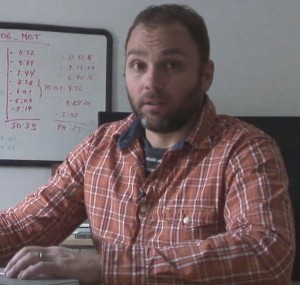
Director of Museum Secrets Episode 4: Paul Kilback
Amanda: Was there a moment when you were working on the show that just blew your mind?
Paul: Like all the good stories on the series, a mystery begins in the museum, but we soon take you to exciting and exotic locales. The way we structured this episode is that we used the Ramesses the Great’s coffin as an entry point to take us to one of the most spectacular and incredible places in Egypt, which is the Valley of the Kings. We travelled there from Cairo early in the morning and we travelled across the Nile at sunrise, and it was beautiful. I recall that being a powerful moment.

Amanda: What was it like filming in the Valley of the Kings in Egypt?
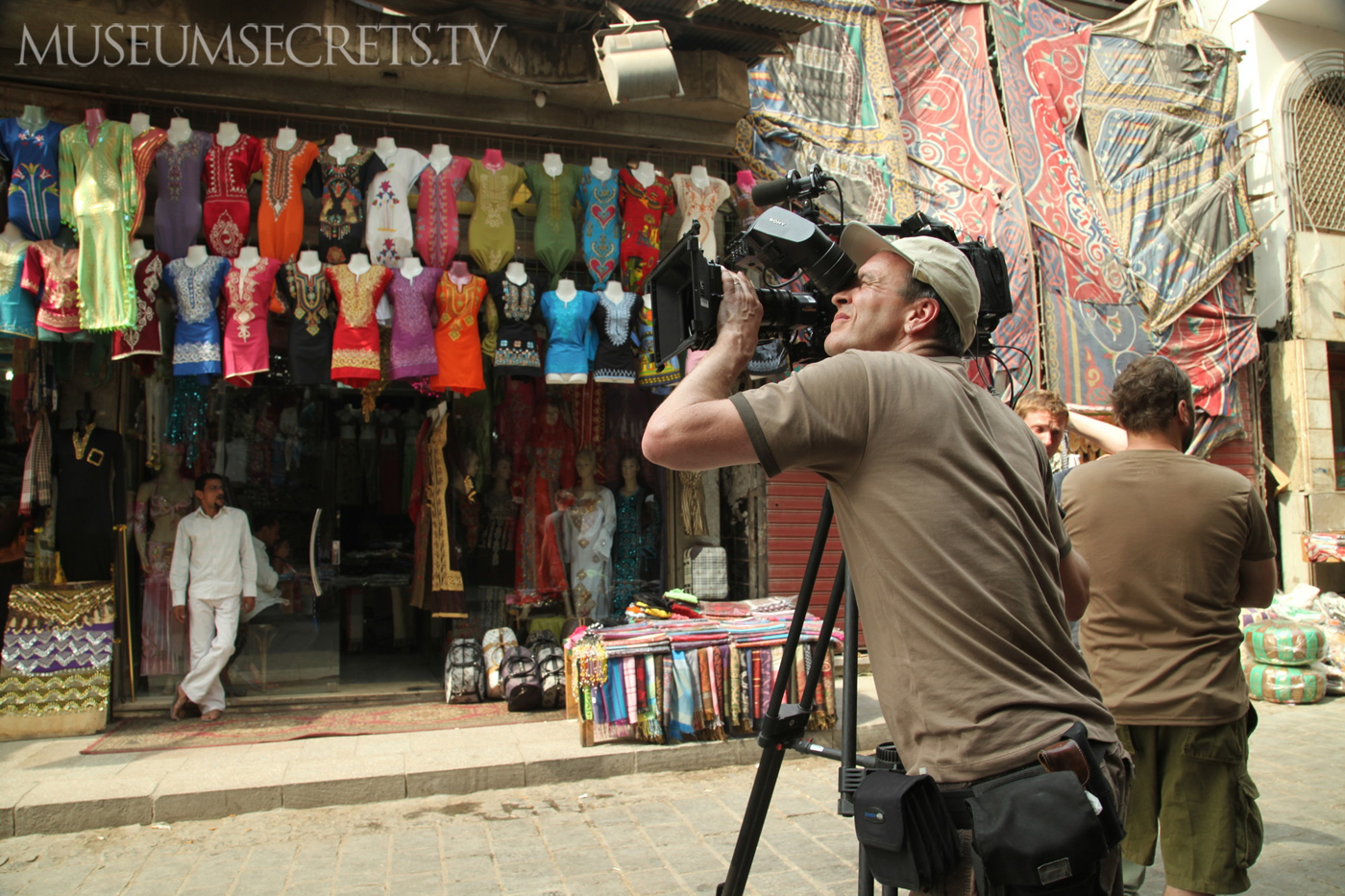
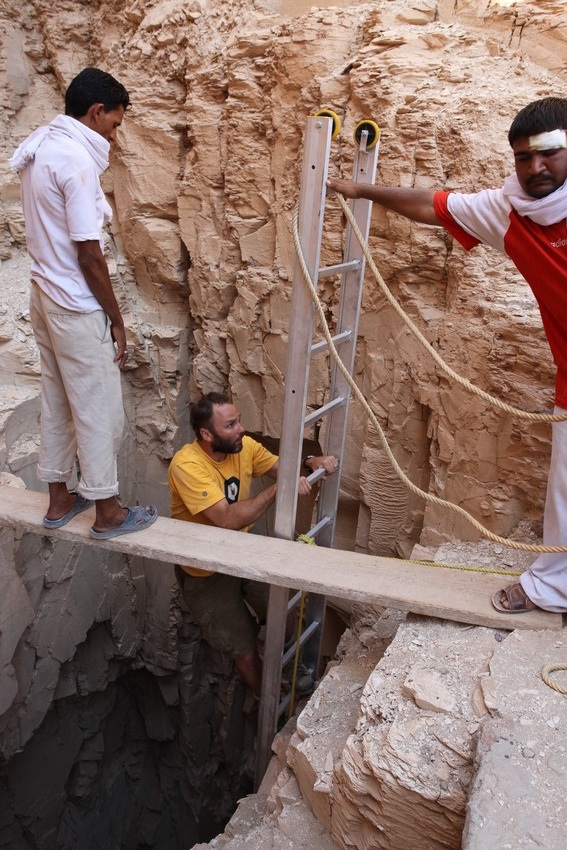
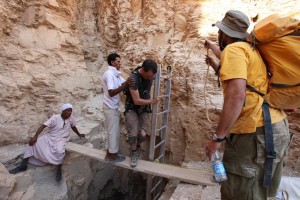
Paul: Shooting in Egypt was difficult for a number of reasons. It was hot. And my cameraman probably lost 10 pounds a day in water. And we were dealing with the audio issues of tourists and had to do multiple takes. So for what you’re seeing on the screen, you’re looking at many more hours of work in a very difficult environment. The thing I am thankful for is that we had porters, guys who would carry our equipment with us. They saved the day for us. We were in our hats and our shorts and short sleeves and dying of heat and these guys would be in their long pants. The heat didn’t bother them. This was winter for them, I guess!
Amanda: When you were shooting in the Valley of the Kings, was there something that surprised you? How did you handle the surprise and how did you work around the issue?
Paul: When I had read about The Valley of the Kings, I imagined a vast desolate valley with carved canyons with tiny entrances to the tombs. When I planned the show I saw it in my head as an evocative montage with an ancient feeling. The thing that surprised me was that it was basically Disney Land in Egypt. There were paved laneways and there were guys selling souvenirs and a million tourists everywhere. And when we were filming, we had to choose how we were going to deal with that. But, we could only hide so much in a shoot. Instead of trying to get around the tourists, I used it as a strength visually. And it actually worked quite well in the show.
Amanda: You interviewed Dr. Zahi Hawass, a famous Egyptologist for several of the stories in this episode. Tell us what it was like.
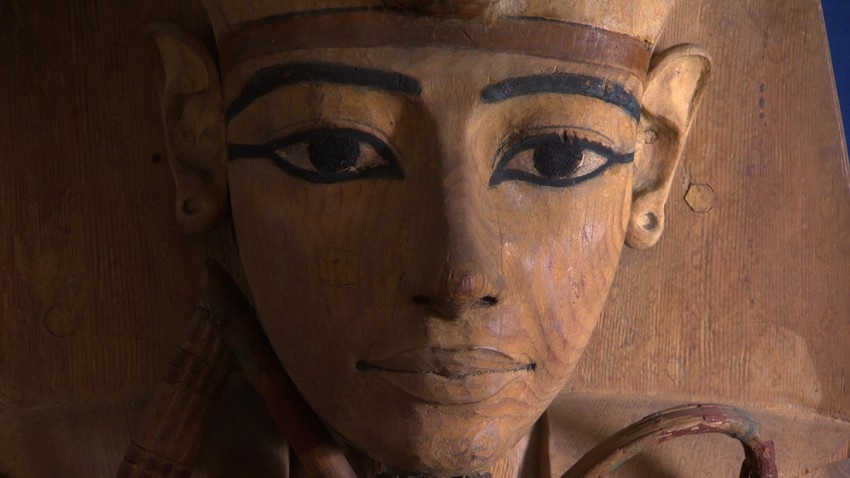
Paul: When we did the story about Ramesses the Great (one of the most famous pharaohs in Egypt) we interviewed Dr. Zahi Hawass. We were interested in this story because one of the artifacts in the Egyptian Museum in Cairo is his wooden coffin, which is not impressive, compared with King Tut’s coffin. The question we set out to reveal was why was this great pharaoh buried in this plain coffin?
Dr. Zahi Hawass on Museum Secrets set
As an expert, Dr. Zahi Hawass knows his stuff. But he’s also like a rock star. When he showed up for the interview, he had an entourage and a security personnel. We were told that we had no time to light our shots. So we pre-lit our first shot and we were ready to go. The last thing we wanted to do was upset him. We needed to be his friend.
He was wearing his classic Indiana Jones hat and I prepared to ask him a question. I was only half way through asking the question when he put his hand up and said, “Stop, please do not interrupt me” and he went on his spiel. I quickly learned that all I had to do was to tell him what it was I wanted him to talk about. I just let him say his thing and then he moved on. He was so good. It was almost like he had a switch: he’d be very stern but then when the camera went on, his eyes lit up and he became animated. Then when the camera went off, he put his hat back on and he was signing things and answering his cell phone. He was all business. So he was a very interesting man to work with.
I made a joke with the producer that I was the most highly paid eye-line for the duration of my interview with him, because I didn’t really get to ask a question. But it all worked out in the end.