

Unbelievable Discoveries at the Vatican
In anticipation of the Museum Secrets series premiere tomorrow on History Television Canada at 10 PM ET/PT, Robert Lang, Executive Producer, reveals some of the surprising things he found out when he directed the episode airing tomorrow: Inside the Vatican Museums. I asked him to choose just three to tell you about.
You’ll have to tune-in tomorrow to History Television, in order to catch many more of the mysteries we reveal on the episode.
1. Can you believe the extent of the damage during the Sack of Rome in 1527?
“During the Sack of Rome in 1564, the forces of the Holy Roman Emperor came into Rome, sacked the city and made the Pope flee to the safety of the Castel Sant’Angelo. Eighty per cent of the population of Rome was murdered (often viciously) or fled and only 20 per cent of the city was left when they were through. I knew that Rome had been besieged many times, but I hadn’t realized that this one had been so devastating.”
2. Some of the great Renaissance artists were really great forgers
“When you think of the great Renaissance artists – having created some of the finest works of art of all time – you think of them as being great innovators. What I hadn’t realized before I dipped into some of the research, was that they were also great forgers. They took some of the Classical sculptures and art of earlier times and created their own variations of them and sold them as Classical works. Take Michelangelo, for example – especially in the early part of his career – he was just another artist, maybe a good one and a promising one, but he wasn’t the Michelangelo that we know of today. These great artists would often make much more money by imitating classical sculptures than by selling their own art.”
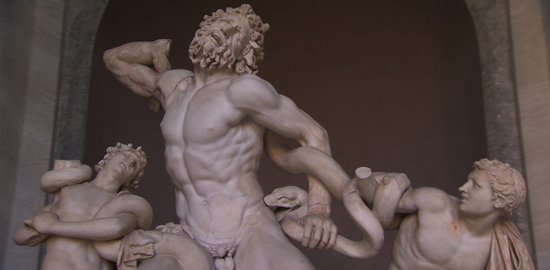
The Laocoon.
3. Michelangelo was one of the earliest artists to be an independent visionary
“What I found particularly fascinating about Michelangelo during his four year stint painting the ceiling of the Sistine Chapel is that he was the first artist to battle openly with the person who paid for the work, in this case the Pope, Julius II. Commissions were the way that artists were able to survive and they usually did the bidding of their benefactors. But Michelangelo argued constantly with Julius, who was known as the Warrior Pope. That was a revelation to me because I didn’t think an artist 500 years ago would stand on his own saying, ‘I have a vision for this work, and this is my vision, and even though you’re paying for it, I have to do it in my way.’ He laid the groundwork for many artists of today – musicians, painters, sculptors – who wouldn’t think of doing their art any other way.”
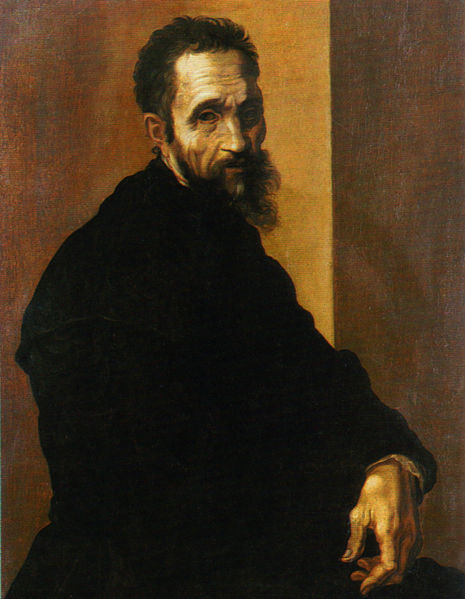
Portrait of Michelangelo by Jacopino del Conte
-
To find out more, you’ll have to catch Museum Secrets: Inside the Vatican Museums, premiering on History Television on January 6, 2011. Or, visit the episode page on the Museum Secrets website.