

Director explains what creative decisions went into making Museum Secrets at the Met
Prior to the broadcast of Museum Secrets: Inside the Metropolitan Museum of Art on History Television tonight at 10 PM ET/PT, read this interview with the director of the episode, Gary Lang, explaining how the motion control time-lapse video technique works and more.
Watch an assemblage of motion control time-lapse video clips from the Met episode
Amanda: Tell me about how you filmed with a motion controlled time-lapse technique for the Met episode.
Gary: Anyone with a modern digital camera can take their stills and assemble them to create a time-lapse video, but motion is another story.
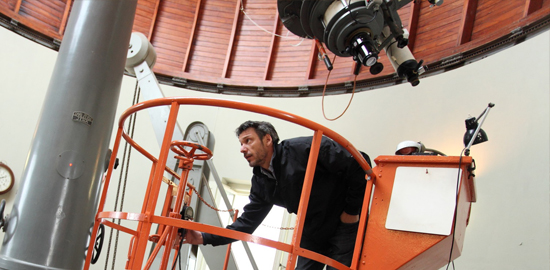
For this show, a friend of mine who is a director of photography in film, and I, went exploring for a device that would do motion control time-lapse. I found one on the internet and he bought it. It’s a very small device that’s built by an inventor in the US and it’s meant to do documentary motion control. It’s like a motor on an elbow that you move around.
Amanda: What does the motion control time-lapse footage look like?
Gary: You can see the footage we captured with it all over the Met episode. We might start on the sky, as clouds are passing by, and pan down to a street as cars are zipping by, and the motion is fluid as if it’s a true pan tilt.
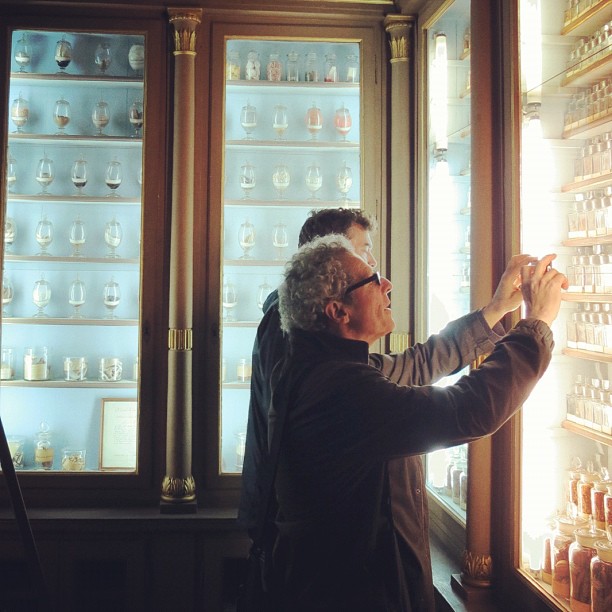
We shot it over 2 hours, just taking a still every 3 or 4 seconds, waiting for the light to change. With our expertise we had to guess about the exposure and the light. I think I shot 30 moving time-lapses on this show. In the museum, we set the stills camera up with the motion control rig to see changes in the light and changes in people. Sometimes we did close ups on the objects, where the light changed enough that it developed a different dimension. What better way than to see these objects when they’re in these fabulous rooms? We’d pan from the room to find the object.
Amanda: Is there any downfall to this kind of fabulous film work?
Gary: This kind of filming costs money and time. Every shot takes about two hours to film. And there’s a thirty percent failure rate, because you might guess wrong about the exposure, or something inherently changes that isn’t good. Quite often when things go dark, the lights turning on with timers would mess up the shot. So I hand it to my producers for saying yes to this kind of filming. It was worth it.
Amanda: How else did you approach filming in the museum to create a sense of movement?
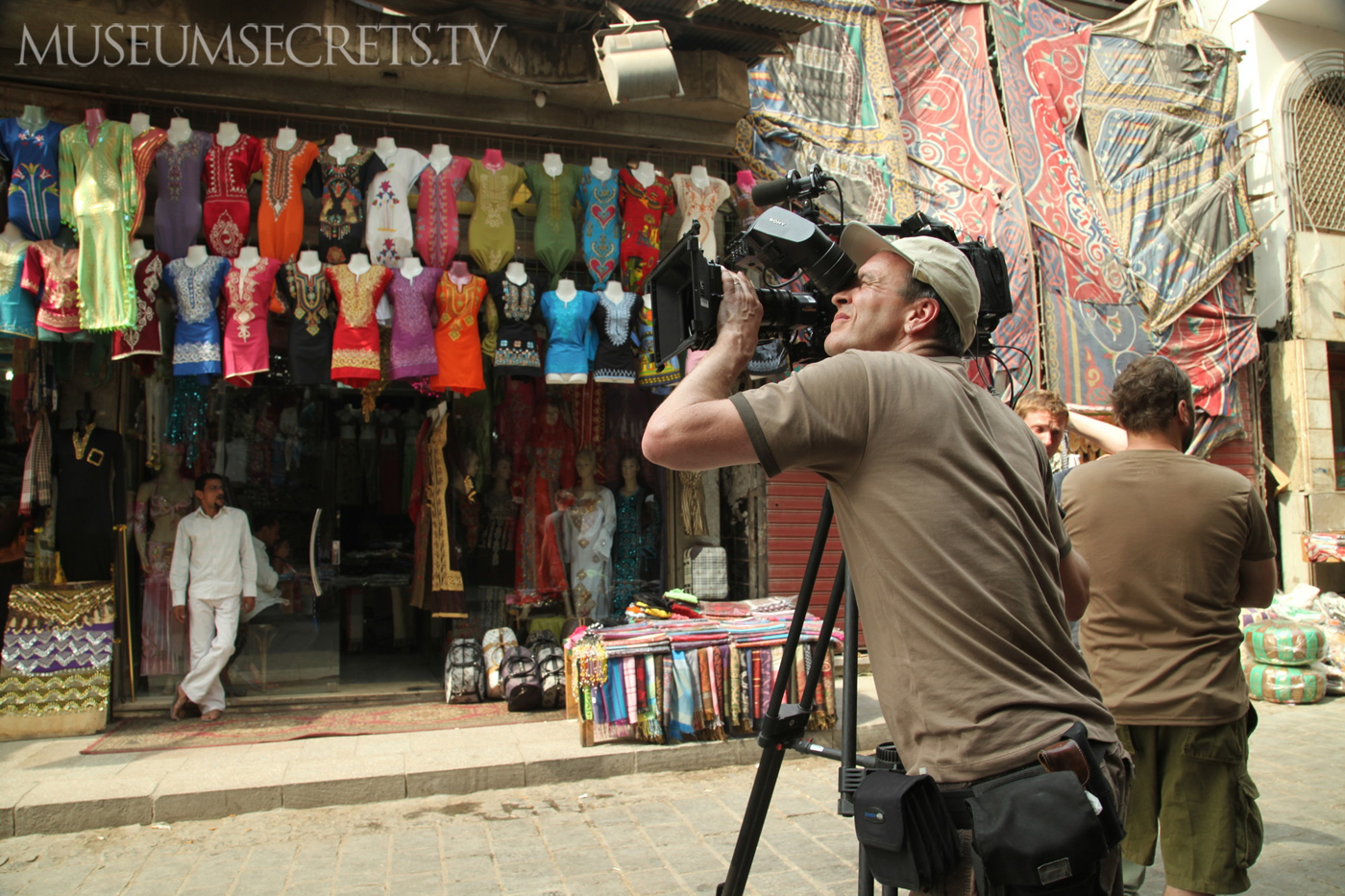
Gary: My main approach was to always keep the camera moving through the gallery. So we had a steady cam and it was directed to feel like a human. We find something cool and then pan and find something else and something else, as if you’re like a kid running through the place. This helped to bring the objects and the museum alive, because the place is huge, overwhelming and austere. So we constantly moved jibs and dollies, not so much zooms and swishes. We always wanted controlled moving shots, approximating the human eye. That’s always my ambition and for this show, it was my goal more than ever, because we were filming objects that needed to be given new life.
Amanda: Did you also go outside the museum in order to bring fresh perspectives to the objects and to reveal more about them?
Gary: We went as far as we could to get wacky outside observers to comment on the objects in this episode. For example, for the story about King Henry’s Armor, we went to a neurosurgeon who said maybe he had a sports injury and turned psycho and started killing people. He said ‘I could have testified on his behalf in a trial that he had a head injury.’ The idea he presented is totally out there but it all made sense in a quirky way. We went outside the Museum walls as often as possible.
Amanda: What was the most challenging part of shooting this episode?
Gary: A couple times when we were working with the big jib that moves the camera around on this giant arm, which is 10 meters long and has 200 kilograms of weight on the back of it, the pressure on me and my crew was so great.
I tried to guess what the Met collection was worth because I wanted to write that in the script, but you can’t guess, because it’s priceless. Not one object in the museum can be replaced.
When we were shooting the sculpture of Diana the Huntress with the jib, I was thinking, ‘This is not a studio. That is not a paper maché sculpture. That is a one of a kind object.’ That was something that was a constant challenge and it was overcome through planning and lots of negotiation with the museum representatives. I had to hold to my word. If I said I would shoot for exactly 15 minutes, even if it was wrong, I sucked it up and stuck with it.