

Things to do at the Met in New York
Upon return from his visit in Manhattan to attend the History Makers Conference, our Museum Secrets series producer Steve Gamester provided us with some information about some of the most interesting objects he found at the Met, when he was there earlier, scouting the museum for the development of Episode 6 of Museum Secrets: Inside the Met. Steve snapped some shots from his trip last year that we’ve included here too, along with his recommendations. Get ready for Museum Secrets: Inside the Met airing tomorrow on History Television (Canada) at 10 PM ET/PT.
Check out these Insider Tips from our series producer, Steve Gamester.
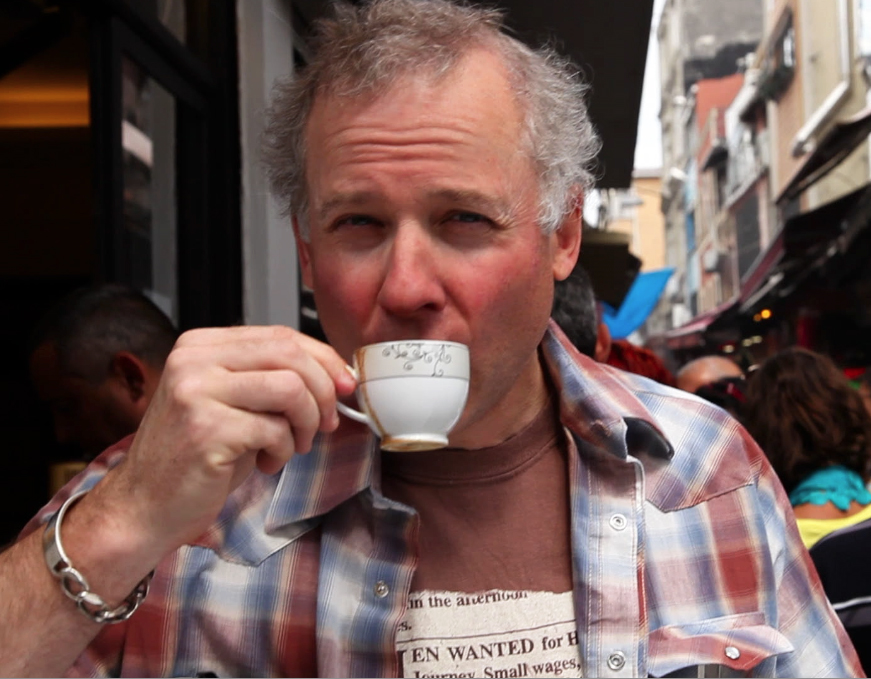
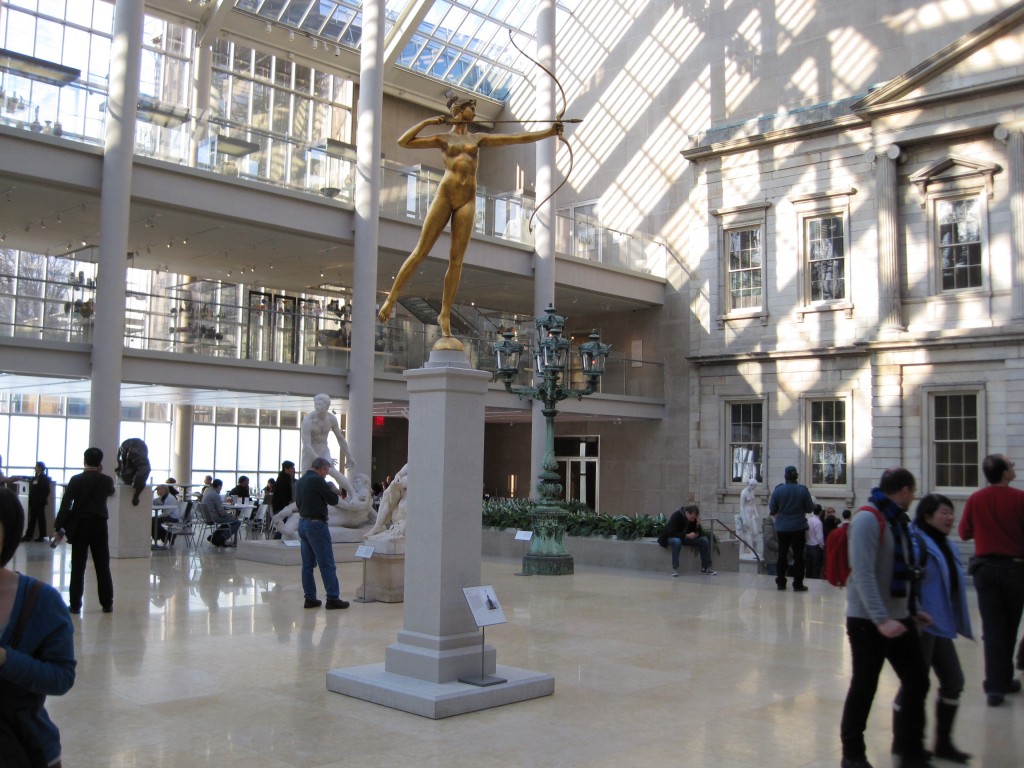
Have an Americano and then go see Diana the Huntress
“Make sure you have lunch at the cafe in the American court. It’s a beautiful open-air café in a beautifully lit space, with a skylight and it’s next to a sculpture court and the sculpture of Diana the Huntress is there.”
We feature Diana in a fascinating story in the Met episode.
Find the object with a real story behind it that’s most likely to be overlooked
“The Chalice of Antioch is the object people are most likely to walk by and not notice.”
“In the front entrance to the Met, immediately in front of you is a giant staircase. If you go to the left of the staircase, into the hallway on the left side is a long display case of artifacts. In one of those cases is the Chalice of Antioch. It looks like a silver cup. It’s not highlighted in the museum, but for 50 years in the early 20th century, millions of people thought that it was the Holy Grail.”
Find Cypresses, one of Vincent van Gogh’s most haunting paintings
“It’s interesting because this painting was done six months after the cutting off of the ear incident and a year before van Gogh committed suicide. Clearly this painting was done during a very dark period of van Gogh’s life. I like this one because it has the same kind of wavy shimmery look that you see in Starry Night, which is found at the MOMA. The tree he depicts in Cypresses is the one that’s most associated with French cemeteries. If you think about one of his earlier paintings with the sunflower, which is a symbol of life, then you can see how van Gogh has moved from a symbol of life to one of death. People don’t usually understand the full significance of this painting. It’s really interesting when you know the full story behind it.”
Find the painting in the European art collection, along a wall of several others by van Gogh at the Met.
Find tribal artifacts that Michael Rockerfeller once collected
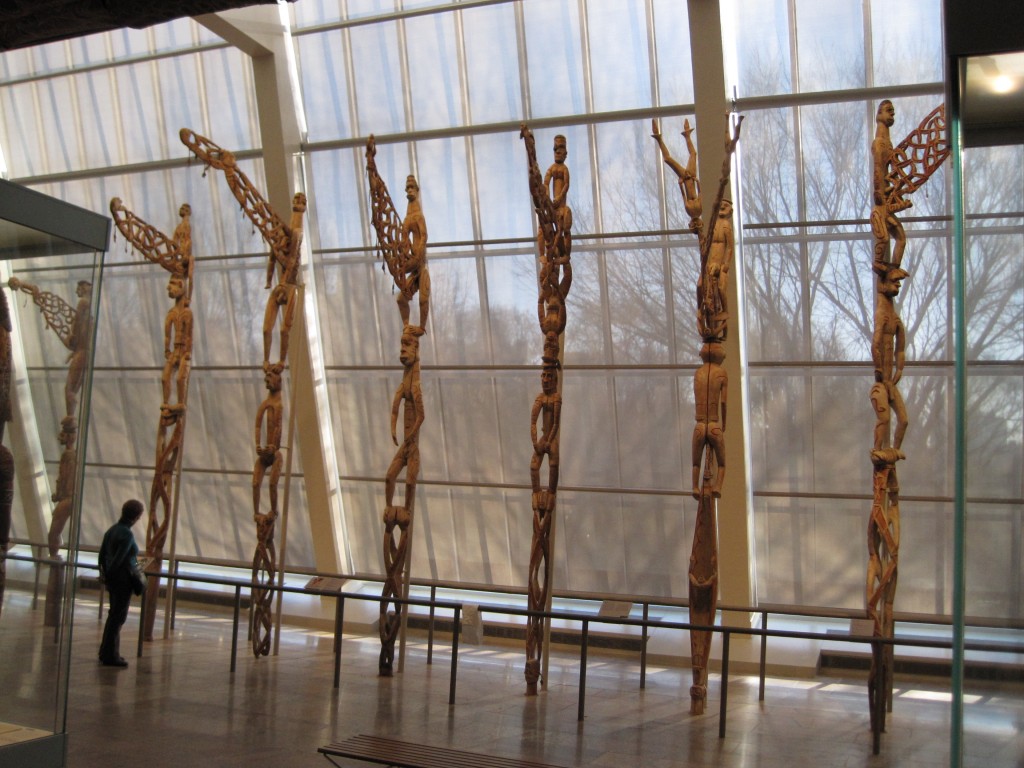
“Go into the Oceanic galleries and look at the bis pole. Within the collection there is a whole room filled with these poles from Papa New Guinea, which were carved by the Asmat tribe there – a cannibal warrior tribe, during the late 1950s. These poles are artistic and incredibly striking to look at.”
“They were collected by Michael C. Rockerfeller – the son of Nelson A. Rockerfeller (the governor of New York at the time) and a member of the richest family in America. Michael was one of the most promising young anthropologists in the world when he mysteriously disappeared at the age of 23 while on expedition in the South Pacific. It was Michael who collected these tribal poles and then lost his life finding them.”